The Visionary: The Life and Legacy of Steve Jobs
In the annals of entrepreneurship, few names resonate as profoundly as Steve Jobs. A trailblazer in technology and innovation, Jobs’ story is one of passion, resilience, and the relentless pursuit of excellence…
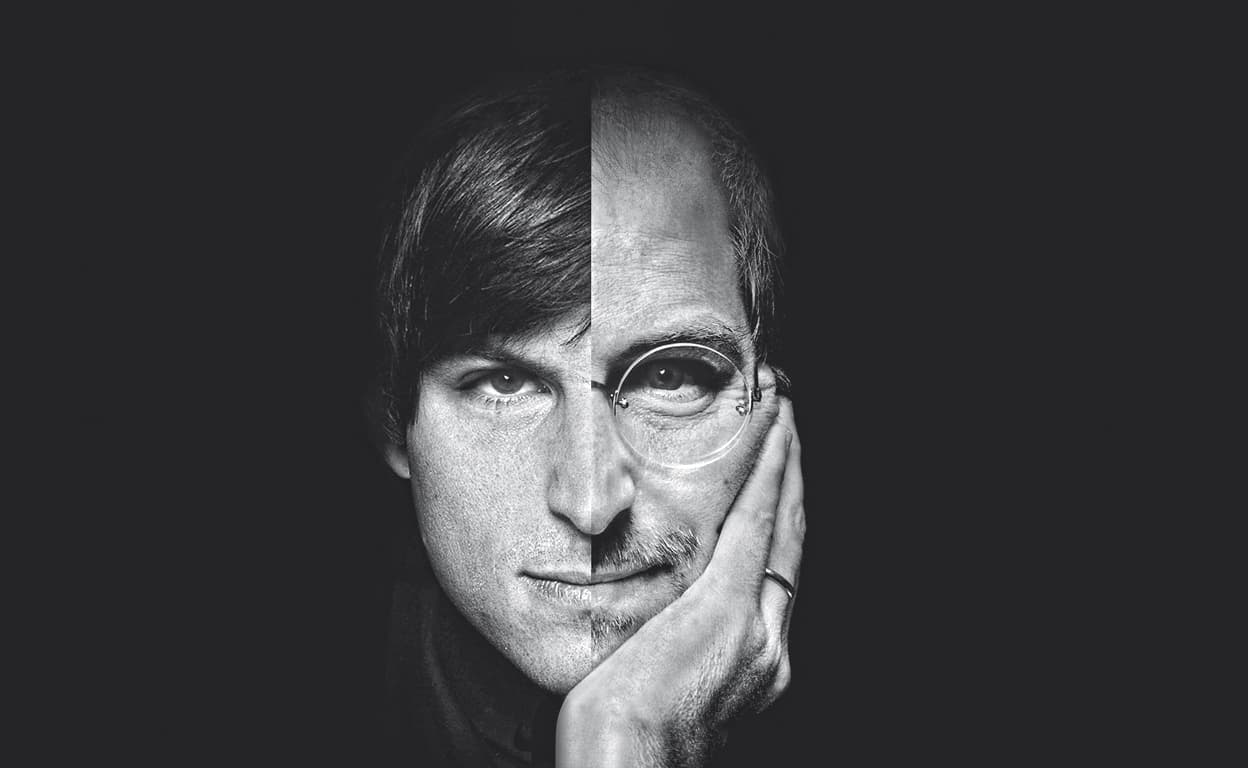
In the annals of entrepreneurship, few names resonate as profoundly as Steve Jobs. A trailblazer in technology and innovation, Jobs’ story is one of passion, resilience, and the relentless pursuit of excellence. From humble beginnings to the creation of one of the world’s most influential companies—Apple Inc.—Jobs left a legacy that continues to inspire and shape the world.
This blog explores the milestones of Steve Jobs’ life, his impact on technology, and the lessons we can draw from his remarkable journey.
Early Life: The Roots of Innovation
Born on February 24, 1955, in San Francisco, California, Steve Jobs was adopted by Paul and Clara Jobs. Growing up in Silicon Valley, he was surrounded by the burgeoning tech industry. Jobs displayed an innate curiosity and fascination with technology from a young age.
A pivotal moment came during a calligraphy class at Reed College, where he developed an appreciation for design and typography. This experience would later influence Apple’s iconic aesthetic. Jobs famously remarked, “Design is not just what it looks and feels like. Design is how it works,” encapsulating a philosophy defining his career.
Founding Apple: A Revolution Begins
In 1976, Steve Jobs and Steve Wozniak co-founded Apple in a garage, launching the Apple I computer. The release of the Apple II in 1977 marked the company’s first significant success, revolutionizing personal computing and catapulting Jobs into the spotlight.
Jobs wasn’t just an entrepreneur but a visionary and storyteller. He believed in creating technology that enhanced people’s lives and connected with them emotionally. “People who are crazy enough to think they can change the world are the ones who do,” he often said.
The Fall and Resilience
Despite his early successes, Jobs faced significant challenges. In 1985, a power struggle led to his departure from Apple. While this might have ended the careers of many, Jobs used the setback as an opportunity to grow.
He founded NeXT, a computer platform company, and purchased Pixar Animation Studios, which would later produce iconic films like Toy Story. These ventures taught Jobs valuable lessons in leadership and creativity, preparing him for an incredible comeback.
The Return to Apple: A New Era
In 1997, Jobs returned to Apple, which was struggling. His return marked a turning point as he steered the company toward focusing on innovation and simplicity. The introduction of the iMac in 1998 reinvigorated the brand, setting the stage for a series of groundbreaking products:
- iPod (2001): Redefined music consumption.
- iPhone (2007): Revolutionized mobile technology and communication.
- iPad (2010): Pioneered the tablet market.
Each product was accompanied by Jobs’ signature storytelling, transforming product launches into cultural events. “Storytelling is the most powerful way to put ideas into the world,” Jobs said, and his ability to weave narratives around technology changed how it was marketed and consumed.
The Visionary: Merging Technology and Art
Jobs believed in the intersection of technology and the liberal arts, merging functionality with aesthetics. This philosophy was evident in every Apple product, from sleek designs to user-friendly interfaces.
Under his leadership, Apple became synonymous with innovation and excellence. The company didn’t just sell products; it sold experiences that resonated with consumers on a deeper level.
Lessons in Leadership
Jobs was a perfectionist with an unyielding vision. While his management style was often described as intense and demanding, it inspired his teams to push boundaries and achieve extraordinary results.
His famous quote, “Innovation distinguishes between a leader and a follower,” reflects his belief in the importance of bold, transformative ideas.
Challenges and Legacy
Jobs faced significant personal and professional challenges, including a battle with pancreatic cancer that ultimately led to his passing in 2011. Despite his illness, Jobs worked tirelessly, leaving a profound legacy.
His final product, the iPad, was a testament to his relentless drive and passion for innovation. Today, Apple is one of the world’s most valuable companies, reflecting the visionary leadership Jobs brought to the tech industry.
Bringing It All Together
Steve Jobs’ life is a testament to the power of vision, resilience, and storytelling. He transformed industries, inspired generations, and redefined how we interact with technology.
His journey teaches us invaluable lessons:
- Embrace Challenges: Setbacks are stepping stones to growth.
- Focus on the User: Create products and experiences that resonate personally.
- Pursue Excellence: Never settle for mediocrity.
- Tell a Story: Connect your ideas with your audience through compelling narratives.
Jobs once said, “The people who are crazy enough to think they can change the world are the ones who do.” Through his relentless pursuit of innovation, Steve Jobs didn’t just change the world—he inspired others to do the same.
By following Jobs’ innovation, design, and storytelling principles, businesses and individuals alike can create meaningful impacts that echo across generations.