Real Estate vs. Digital Real Estate: Understanding the New Frontier of Ownership
For centuries, owning real estate has represented stability, power, and financial growth. From land and buildings to homes and offices, property ownership has long been a symbol of security and prosperity. But as…
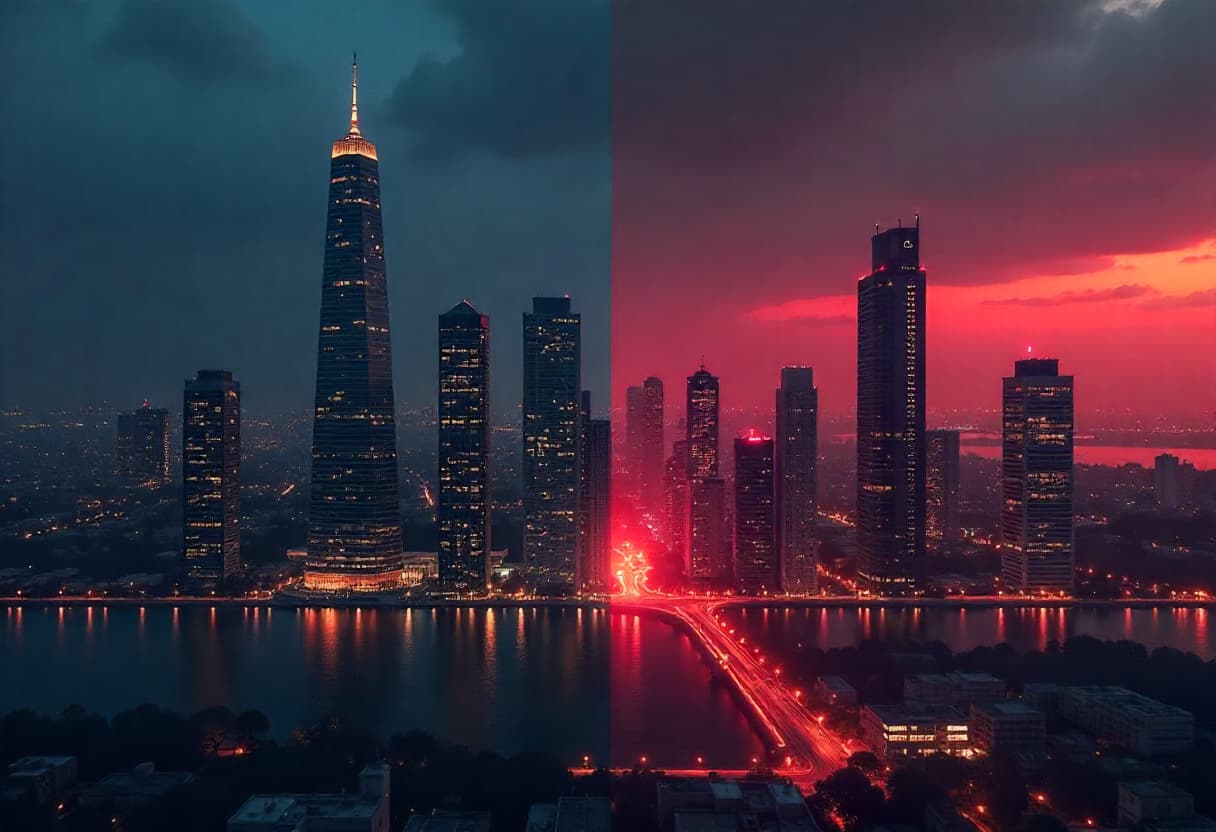
For centuries, owning real estate has represented stability, power, and financial growth. From land and buildings to homes and offices, property ownership has long been a symbol of security and prosperity. But as the world shifts deeper into the digital age, a new type of property is rising in value and importance, digital real estate.
In the emerging era of Web3, blockchain, and virtual economies, owning digital space can be just as lucrative as owning physical land. The concept may seem futuristic, but the parallels between traditional real estate and digital real estate are striking. Both rely on ownership, scarcity, development, and location, only now, the “location” can exist in a virtual environment.
At MetaTech Web Solutions, understanding this evolution is key to navigating the next generation of the internet. Whether you are an investor, business owner, or digital creator, knowing the difference between real estate and digital real estate, and how they intersect, can help you make smarter, future-ready decisions.
Traditional Real Estate: The Foundation of Physical Wealth
Real estate has always been one of the most stable and tangible forms of investment. It involves owning physical property, land, buildings, or structures that can be developed, rented, or sold for profit.
Several key factors influence the value of real estate:
- Location: Proximity to cities, schools, and economic centers drives demand.
- Scarcity: Land is finite, which increases its long-term value.
- Utility: The property can serve commercial, residential, or industrial purposes.
- Market Trends: Population growth, interest rates, and development projects influence pricing.
For centuries, real estate has been the backbone of global economies. Governments regulate it, banks finance it, and individuals invest in it as a tangible asset with predictable growth.
But as technology advances, a new layer of value creation has emerged, one that transcends geography and physical infrastructure.
Digital Real Estate: The New Asset Class of the Internet
Digital real estate refers to ownership of virtual spaces and assets that exist on the internet or within Web3 ecosystems. It includes websites, domain names, NFTs, digital storefronts, and even plots of land inside virtual worlds known as metaverses.
Just as traditional real estate generates income through rent, sales, and development, digital real estate creates value through visibility, traffic, engagement, and virtual commerce.
The concept is built on the same principles of scarcity and utility, but instead of physical property, it revolves around digital ownership and blockchain verification.
Examples of digital real estate include:
- Domain Names: Prime web addresses like business.com or hotels.com are worth millions because they represent valuable online “locations.”
- Websites: High-traffic sites can generate income through advertising, e-commerce, or content subscriptions.
- Virtual Land: Platforms like Decentraland, The Sandbox, and Otherside allow users to purchase plots of land inside digital environments. Owners can build virtual stores, galleries, or communities.
- NFTs (Non-Fungible Tokens): Represent ownership of digital assets like art, collectibles, or property deeds within a blockchain system.
In Web3, digital property can be owned, traded, and monetized without intermediaries, giving individuals complete control over their virtual investments.
Similarities Between Real and Digital Real Estate
While they exist in different worlds, real estate and digital real estate share remarkable similarities in structure and value creation.
1. Ownership and Scarcity
Just as physical land is limited, digital real estate is limited to specific ecosystems. The number of plots in a metaverse or premium domain names is finite, which drives competition and increases value over time.
2. Location Still Matters
In the digital world, “location” means visibility and accessibility. A website on Google’s first page or a plot in a popular metaverse district has the same advantage as a property in a busy city center: it attracts attention, traffic, and profit.
3. Development Creates Value
Empty land has potential, but developed land has power. The same applies online. Building functional, engaging digital properties, whether websites, e-commerce stores, or virtual spaces, creates long-term value.
4. Passive Income Potential
Just as landlords earn rent, digital property owners can earn revenue through ads, affiliate marketing, digital goods, or event hosting within virtual platforms.
5. Market Volatility
Both real-world and digital property markets fluctuate. While traditional real estate depends on economic conditions, digital real estate depends on technology trends, adoption rates, and blockchain innovation.
Differences Between Real and Digital Real Estate
Understanding the differences helps investors make strategic decisions about how to diversify between physical and digital assets.
1. Tangibility
Physical real estate is a tangible asset; you can visit, touch, and live in it. Digital real estate, on the other hand, exists entirely within software ecosystems and is accessible through screens or virtual reality.
2. Cost of Entry
Buying physical property often requires substantial capital, mortgages, and legal processes. Digital real estate can be far more affordable, with entry points ranging from website creation to NFT investments or the purchase of virtual land with cryptocurrency.
3. Ownership Verification
In traditional real estate, ownership is verified by deeds and government records. In digital real estate, ownership is secured through blockchain technology, which provides transparent, tamper-proof records of every transaction.
4. Maintenance
Physical property requires upkeep, taxes, and insurance. Digital property requires hosting, cybersecurity, and consistent updates to remain relevant and functional.
5. Liquidity
Selling real estate can take months or years. In contrast, digital real estate, especially assets on blockchain networks, can be traded instantly across global marketplaces.
The Rise of Web3 and the Metaverse
The most significant driver of digital real estate growth is the rise of Web3 and the metaverse.
In these decentralized virtual environments, users own assets, identities, and currencies. Companies are already buying virtual land to build digital headquarters, event spaces, and branded experiences.
For example:
- Adidas and Nike have launched digital showrooms and NFTs in metaverse platforms.
- Decentraland has hosted virtual fashion shows and real estate expos.
- Meta (formerly Facebook) is investing billions in VR and AR development to create the next generation of digital interaction.
This shift is more than a trend; it is the evolution of the internet from two-dimensional browsing to a three-dimensional experience. Digital real estate will become the infrastructure of these new economies.
Why Businesses Should Pay Attention
Businesses that fail to adapt to the digital property revolution risk being left behind. Owning and developing digital real estate is becoming just as critical as owning physical storefronts or office spaces once were.
Digital real estate allows companies to:
- Expand visibility through websites, VR experiences, and virtual storefronts.
- Build community spaces for customers in metaverse platforms.
- Monetize digital products, NFTs, and advertising opportunities.
- Future-proof their brand for Web3 and immersive technology integration.
At MetaTech Web Solutions, we help businesses create scalable, data-driven ecosystems that combine digital presence, AI integration, and blockchain readiness. The same principles that make real-world real estate valuable, location, design, and utility, apply to building your brand’s digital foundation.
The Future of Ownership
By 2026 and beyond, the boundaries between real and digital real estate will blur. Investors will diversify across both markets, developers will design hybrid spaces, and brands will operate seamlessly across physical and virtual environments.
Owning property in the digital world will not replace traditional real estate; it will complement it. Together, they will form a hybrid economy where both land and data represent value.
Building in Both Worlds
Real estate and digital real estate share a single principle: ownership is opportunity.
As the world moves toward Web3 and immersive technologies, the concept of property is expanding beyond geography. What was once confined to land deeds and buildings now includes blockchain, NFTs, and virtual landscapes.
At MetaTech Web Solutions, we build the digital architecture that connects these worlds. Whether you’re establishing a website, a metaverse presence, or a Web3 ecosystem, your digital real estate is your foundation for growth.
The future of ownership is already here, and it’s both physical and digital. The question is: how will you invest in it?