Entrepreneurs of the Underground Railroad: Lessons in Courage, Collaboration, and Change
The journey of the Underground Railroad is more than just a chapter in history—it’s a story of resilience, leadership, and innovation. It was one of the first major collaborations between Black and White Americans…
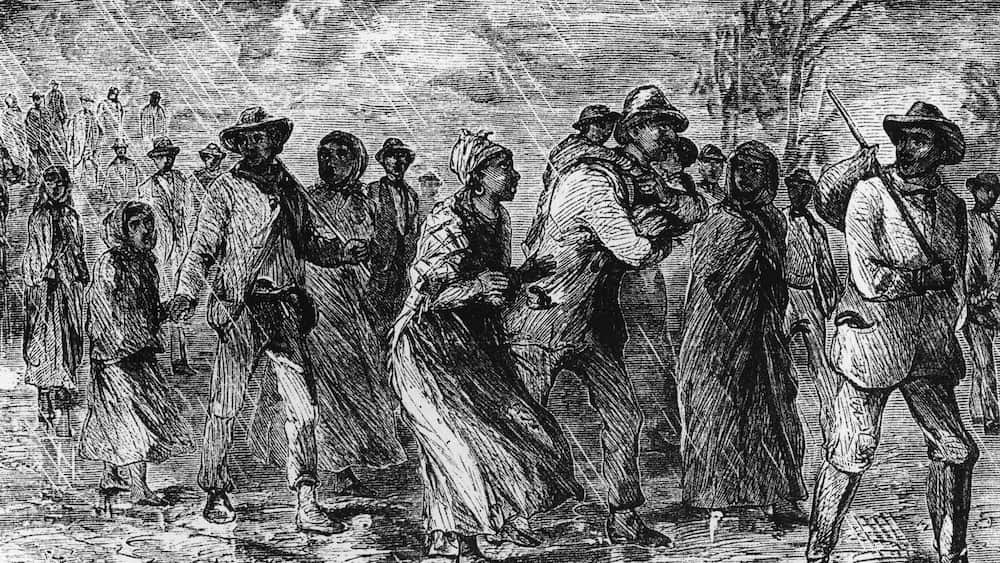
The journey of the Underground Railroad is more than just a chapter in history—it’s a story of resilience, leadership, and innovation. It was one of the first major collaborations between Black and White Americans, built on the courage to challenge the status quo and fueled by a vision for freedom and equality. This extraordinary network exemplifies the essence of entrepreneurship: solving a significant societal problem with creativity, collaboration, and courage.
Defining Entrepreneurship in the Context of the Underground Railroad
“entrepreneur” often conjures images of tech innovators or ambitious business leaders. Yet, the core definition by Dictionary.com—“a person who organizes and manages any enterprise, usually with considerable initiative and risk”—perfectly describes the heroes of the Underground Railroad. These individuals identified one of the greatest needs in American history—the abolition of slavery—and worked tirelessly to address it.
Brett Nelson of Forbes expands on this idea: “Entrepreneurs, in the purest sense, are those who identify a need—any need—and fill it.” By this definition, the leaders of the Underground Railroad were trailblazing entrepreneurs who transformed society.
The Visionary: Harriet Tubman, A Woman Called Moses
“Every great dream begins with a dreamer. Always remember, you have within you the strength, the patience, and the passion to reach for the stars to change the world.” —Harriet Tubman
Harriet Tubman embodies the visionary spirit of entrepreneurship. Known as “Moses,” Tubman led enslaved individuals to freedom through the Underground Railroad, demonstrating extraordinary leadership, courage, and resilience. Her journey highlights the traits of a great entrepreneur:
- Vision: Tubman envisioned a world free from slavery and worked relentlessly toward that goal.
- Fearlessness: Despite twice failing to escape slavery, she persisted, eventually freeing herself and later returning to rescue her family and others.
- Sacrifice: Tubman traded her most prized possession, a quilt, for critical information about the Underground Railroad.
- Servant Leadership: She led by example, inspiring others to join her liberation mission.
- Unwavering Determination: Tubman’s relentless pursuit of freedom for others made her a beacon of hope.
“I’ve never run my train off the track, and I’ve never lost a passenger.” —Harriet Tubman
The Investors: Behind Every Visionary Are Believers
“Friend, I haven’t a dollar in the world, but if thee knows a fugitive who needs a breakfast, send him to me.” —Thomas Garrett
Entrepreneurship is rarely a solo endeavor. Behind Harriet Tubman’s leadership were allies like Thomas Garrett and William Still, who invested time, money, and resources to sustain the Underground Railroad.
Thomas Garrett
A Quaker and abolitionist, Garrett served as a stationmaster on the Underground Railroad’s final stop to freedom. Using his wealth and influence, he provided housing, clothing, and even legal defense for those escaping slavery. Garrett’s contributions were instrumental in helping Tubman free her parents and countless others.
William Still
Often referred to as the “Father of the Underground Railroad,” Still documented the stories of those who sought freedom, creating an invaluable historical record. His meticulous work highlighted the sacrifices and bravery of those involved, ensuring their efforts would not be forgotten.
Without individuals like Garrett and Still, the Underground Railroad might never have reached its full potential. These “investors” exemplify the importance of collaboration in achieving ambitious goals.
The Evangelists: Driving the Mission Forward
“Little boldness is needed to assail the opinions and practices of notoriously wicked men, but to rebuke great and good men for their conduct, and to impeach their discernment, is the highest effort of moral courage.” —William Lloyd Garrison
Evangelists are essential to any movement—they amplify the message, rally supporters, and create lasting change. For the Underground Railroad, these roles were filled by figures like Frederick Douglass, William Lloyd Garrison, and Abraham Lincoln.
Frederick Douglass
Born into slavery, Douglass escaped to become one of the most influential voices for abolition. As a writer, speaker, and advisor to Abraham Lincoln, he connected the Underground Railroad to national politics. Douglass understood that true freedom required systemic change, and his efforts complemented Tubman’s on-the-ground leadership.
William Lloyd Garrison
As a prominent White abolitionist, Garrison used the power of media to shift public opinion. His newspaper, The Liberator, gave a platform to abolitionist voices and rallied support for the movement.
Abraham Lincoln
The 16th President of the United States took the Underground Railroad’s mission to a national level. His Emancipation Proclamation was a critical step toward abolishing slavery entirely.
Each of these individuals played a unique role in driving the mission forward, proving that transformative change requires diverse talents and perspectives.
Lessons from the Underground Railroad
The story of the Underground Railroad offers timeless lessons for modern entrepreneurs:
1. Identify a Purpose Larger Than Yourself
Harriet Tubman’s mission was not for personal gain but for the freedom of others. Similarly, successful entrepreneurs often focus on solving meaningful problems that benefit society.
2. Build a Network of Collaborators
No significant movement succeeds in isolation. The Underground Railroad’s success relied on a network of stationmasters, financial supporters, and advocates. Entrepreneurs today must seek out partners who share their vision and can bring complementary skills to the table.
3. Persevere Through Failure
Tubman’s attempts to escape were unsuccessful, but she didn’t give up. Entrepreneurship is often fraught with setbacks, but resilience is key to eventual success.
4. Amplify the Message
The Underground Railroad’s evangelists ensured the mission reached a broader audience, creating lasting change. Entrepreneurs must effectively communicate their vision to gain support and inspire action.
Entrepreneurship as a Path to Liberation
Entrepreneurship is more than building businesses—solving problems and breaking barriers. The Underground Railroad is a powerful example of how entrepreneurial principles can be applied to create social change.
While the enslavement of African Americans has been abolished, the legacy of inequality persists. Just as the Underground Railroad required collaboration and courage, today’s challenges demand unity and action.
Conclusion: We Are the Entrepreneurs of Social Change
The Underground Railroad was a monumental achievement driven by individuals who refused to accept the injustices of their time. Their courage, innovation, and collaboration are blueprints for tackling modern challenges.
As we reflect on this history, it’s clear that we, too, are called to be entrepreneurs—not just in business but in building a more just and equitable world.
“The greatest threat to a person’s soul is their heart’s indifference.”
It’s time for all of us to rise as evangelists for social change. We are the entrepreneurs of today’s world. Let’s take action to create a future where freedom and equality are not just ideals but realities.